EMS World Q&A: Robert Luckritz, Chief of Austin-Travis County EMS
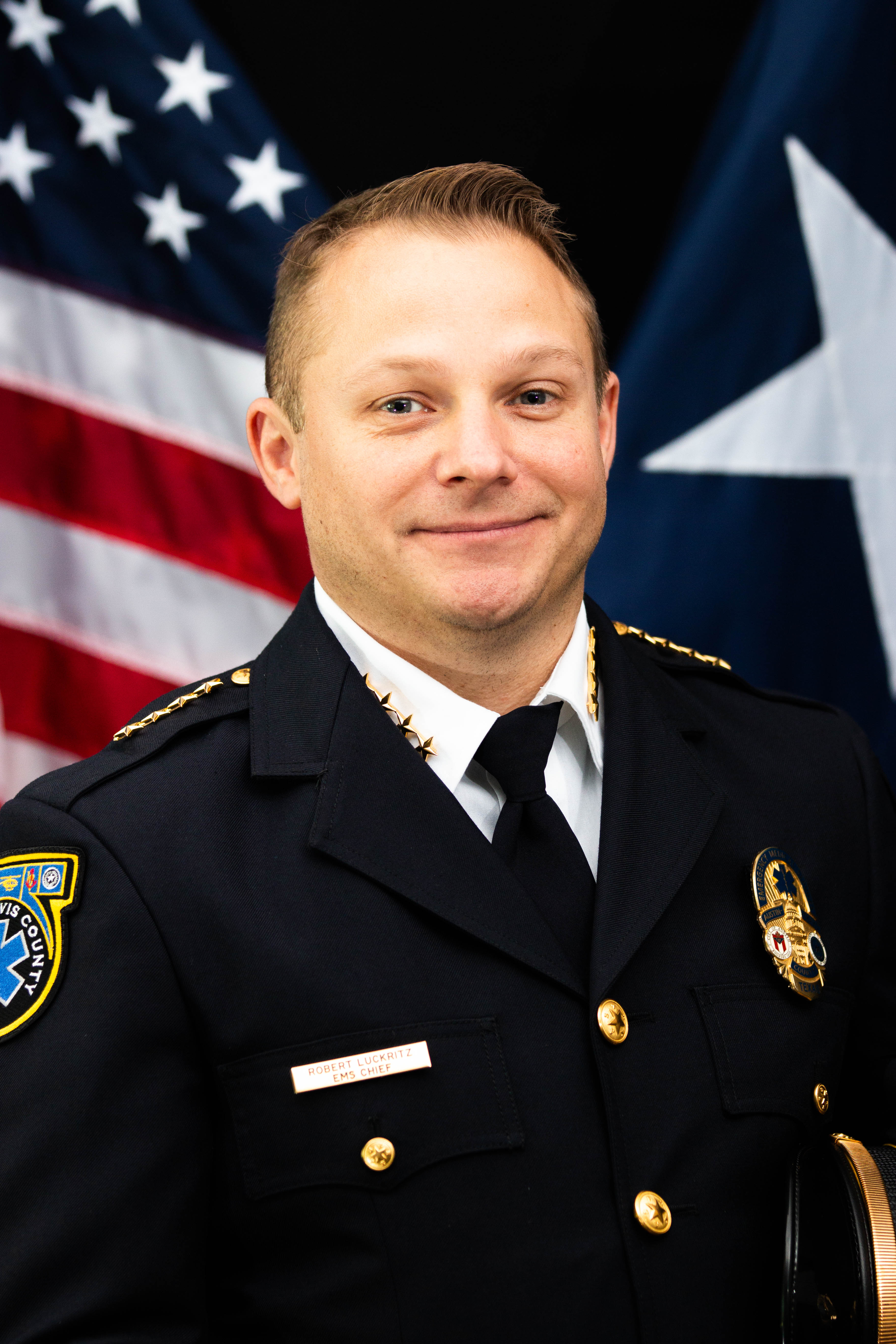
As Austin continues to grow and evolve, so too does the demand on its emergency medical services system—prompting new approaches to delivering care beyond traditional ambulance response. Chief Robert Luckritz, who has led Austin–Travis County EMS since 2022, brings more than 25 years of experience as a paramedic and EMS executive, with prior leadership roles in hospital-based EMS systems and national organizations focused on advancing prehospital care. Luckritz is also president-elect of NAEMT.
EMS World sat down with Chief Luckritz to learn how his agency is redefining emergency response through prevention, alternative care pathways, and a “right resource, right patient, right time” philosophy that reflects both the complexity and innovation of the community it serves.
Editor’s Note: In the early hours of March 1, 2026, a mass shooting unfolded in Austin’s busy West Sixth Street entertainment district, where a gunman opened fire on people gathered in and around a bar. Authorities say at least three victims were killed and more than a dozen others were injured before police fatally shot the suspect at the scene. On May 27, 2026, Chief Luckritz will lead an exclusive panel discussion at EMS World Live in Austin including responders to the shooting to examine the response to the MCI and share lessons learned. Learn more at https://www.hmpglobalevents.com/emsworldliveaustin
EMS World: How would you describe Austin-Travis County EMS and its approach to patient care?
Luckritz: Austin-Travis County EMS places a unique emphasis on EMS prevention. Our Community Health Paramedics work with community partners to attempt to identify high utilizers and potential future 9-1-1 utilizers and provide them with the most appropriate services before they need EMS’s 9-1-1 resources. When we do receive a 9-1-1 call, we make all efforts to identify alternative resources that we can send to patients other than ambulance, reserving those front-line ambulances for the most critical patients. We often describe our model as a "Swiss Army knife" approach, providing the right resource to the right patient at the right time instead of relying on the typical ambulance to hospital model.
EMS World: What makes EMS in Austin different from many other systems?
Luckritz: Austin-Travis County EMS serves one of the fastest-growing communities in the country. Our system responds to about 140,000 calls with over 600 front line EMTs and paramedics and 48 front line units covering the City of Austin and Travis County. We built a system that uses more than just ambulances. In addition to transport units, we deploy community health paramedics, case managers, mental health response teams, physician assistants, and paramedic squads, depending on what the patient actually needs. Many patients can be treated on scene or connected with other services instead of automatically going to the emergency department. That approach helps keep ambulances available for the most critical calls.
EMS World: What is unique about the community you serve?
Luckritz: Austin is known for music, technology, and major events that bring people from around the world. Our crews support large gatherings like SXSW, Austin City Limits Music Festival, and the Formula 1 at Circuit of the Americas. Those events regularly add hundreds of thousands of visitors to the city and require careful planning and flexible EMS operations. The City of Austin and Travis County values their EMS department as an essential part of Public Safety, and they encourage us to innovate and remain on the cutting edge. Our community supports our efforts to improve patient outcomes and provide a variety of medical and social services to the community to improve the lives of the residents and visitors of Austin.
EMS World: Is there a specific program you’re particularly proud of? What makes it stand out?
Luckritz: One of signature and unique programs is our Collaborative Care Communication Center, also known as C4. This program utilizes experienced field paramedics operating in our call center that do secondary triage on our low priority calls. They make all efforts to resolve the caller’s needs without dispatching an ambulance and are also available for EMS crews that have already responded to a call and recognize that there are services other than and emergency room that are best for the patient. They can utilize telehealth, our physician assistants, or one of many other specialty resources to improve patient outcomes.
EMS World: How does ATCEMS attract and retain top EMS professionals?
Luckritz: Austin-Travis County EMS has a long history of progressive clinical practice and a variety of specialty programs. Medics here can work in a number of specialized roles such as community paramedicine, tactical EMS, special operations rescue, education and training, and special event medicine. We also have a robust joint Public Safety Wellness program that provides services to ensure provider mental health and wellness. That variety keeps the job interesting and gives people room to build a long career while staying in the field.
EMS World: What initiatives are on the horizon for ATCEMS?
Luckritz: Austin continues to grow, and our system has to grow with it. We are working on expanding alternative response options, strengthening community care pathways, and adding new tools that help us match the right resource to the patient’s needs. The goal is to keep building a system that stays flexible as the city evolves. Austin has always been a city that embraces innovation, and our EMS system reflects that spirit by meeting patients where they are and building new ways to deliver care.