







Hartford Healthcare
© 2026 HMP Global. All Rights Reserved.
Any views and opinions expressed are those of the author(s) and/or participants and do not necessarily reflect the views, policy, or position of EP Lab Digest or HMP Global, their employees, and affiliates.
EP LAB DIGEST. 2026;26(4):20-26.
Dominique Petrucci, MSN, RN, CNL, CV-BC, RCES, Clinical Nurse Leader of the EP Lab, and Alexis Klemka, MSN, RN, CV-BC, RCES, NPD-C, System Nursing Professional Development Specialist
Hartford Healthcare, Hartford, Connecticut
When was the cardiac electrophysiology (EP) program started at your institution, and by whom?
Jeffrey Kluger, MD, established the EP program at Hartford Hospital in 1999. Steven Zweibel, MD, CCDS, became director of EP in 2008 and was later appointed system director of cardiac EP for Hartford HealthCare’s Heart & Vascular Institute in 2013. Effective January 1, 2025, Aneesh Tolat, MD, assumed this leadership role.
What prompted the need for an EP program?
The increasing demand for device implantations and ablation procedures created a clear need for a high-quality EP program in our region. Establishing the program allowed patients to receive advanced care locally, rather than traveling to Boston or New York for these services.
What is the size of your EP lab facility?
Hartford HealthCare has 2 large EP programs located at Hartford Hospital and St Vincent’s Medical Center.
Hartford Hospital operates 2 EP labs Monday through Friday, with a third lab open on Tuesdays, Wednesdays, and Fridays, as well as a weekly hybrid operating room (OR). In addition, we have 3 ancillary lab sites—MidState Medical Center (Mondays and Thursdays), The Hospital of Central Connecticut (Tuesdays and Thursdays), and Backus Hospital (Mondays and Wednesdays). We also utilize one outpatient surgery center twice monthly for generator changes.
Who manages your EP lab, and what are their credentials and experience?
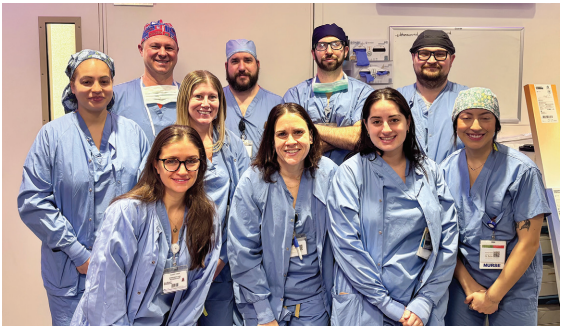
The EP lab is overseen by a strong leadership team. Victoria Tyler, Sean Boyle, Nicole Porter, and Jennifer Shaw serve as regional directors of the Heart & Vascular Institute. In addition, Kathryn Parker and Heather Sokolowski are the clinical directors of the cardiac catheterization and EP labs at Hartford Hospital and The Hospital of Central Connecticut, respectively.
Aneesh Tolat, MD, serves as system director of cardiac EP for Hartford HealthCare and director of the ventricular tachycardia (VT) program. A nationally recognized expert in complex arrhythmia management, he specializes in advanced ablation techniques, device therapy, and innovative strategies for VT and atrial fibrillation (AF). Under his leadership, Hartford HealthCare has advanced the use of new technologies, including pulsed field ablation (PFA) and high-resolution mapping systems, to improve patient outcomes. In addition to his clinical and leadership roles, Dr Tolat is active in research and education, collaborating across disciplines to expand access to EP care and train future specialists. His work emphasizes innovation, quality, and compassionate, patient-centered care.
Steven Zweibel, MD, CCDS, is director of innovation for the Hartford HealthCare Heart & Vascular Institute. A nationally recognized cardiac electrophysiologist, he specializes in device implantation, with expertise in implantable cardioverter-defibrillators (ICDs), pacemakers, and advanced monitoring systems. Dr Zweibel was the first physician in Connecticut to implant the Aurora Extravascular ICD System (Medtronic). In his leadership role, he continues to advance innovation in EP to improve patient care, safety, and quality of life.
Eric Crespo, MD, MPH, is the director of the EP lab at Hartford Hospital. Board-certified in cardiovascular disease and clinical cardiac EP, Dr Crespo specializes in the diagnosis and treatment of complex arrhythmias, with particular expertise in ablation of advanced arrhythmias and conduction system pacing (CSP).
Jude Clancy, MD, serves as director of EP for the Central Region and director of lead management at Hartford HealthCare. A tenured cardiac electrophysiologist with more than a decade of experience in diagnosing and treating complex arrhythmias, Dr Clancy specializes in the management and extraction of cardiac implantable electronic devices, including pacemakers and ICDs, with particular expertise in laser lead extraction. Board-certified in clinical cardiac EP and cardiovascular medicine, he is affiliated with Hartford Hospital and MidState Medical Center.
Alexis Klemka, MSN, RN, CV-BC, RCES, NPD-C, is the system nursing professional development specialist in cardiac EP. With more than a decade of specialized EP experience across major health systems, Alexis combines clinical expertise with a commitment to nursing education and professional growth. In her role, she leads initiatives to enhance team competency, streamline workflows, and advance quality improvement efforts across multiple sites, fostering a culture of continuous learning and excellence in patient care.
Dominique Petrucci, MSN, RN, CNL, CV-BC, RCES, is the clinical resource leader for the EP labs at Hartford Hospital. With advanced training in nursing and specialized certification in EP, Dominique provides clinical expertise and leadership for a multidisciplinary team caring for patients undergoing complex cardiac procedures, including ablations, device implantation, and lead extraction. Dedicated to advancing nursing practice, she promotes education, mentorship, and evidence-based protocols that improve patient outcomes and support professional development. Her leadership fosters a culture of safety, collaboration, and continuous improvement within the EP labs.
Susan Donohue, RN, BSN, is the clinical resource leader for the EP pre- and postprocedural unit. An experienced perioperative nurse, she oversees daily operations and coordinates care for patients before and after procedures. She ensures adherence to clinical protocols, supports staff training, and collaborates with physicians, nurses, and support staff to maintain efficient workflow and high-quality patient care.
What is the number of staff members?
At Hartford Hospital, there are 2 radiology technologists, 1 cardiac nuclear medicine technologist, 14 registered nurses (RNs) in the EP lab, and 10 RNs in the pre- and postprocedural unit.
In the Central Region (The Hospital of Central Connecticut and MidState Medical Center), there are 7 RNs and 1 surgical technologist.
In the East Region (Backus Hospital), there are 3 RNs and 3 technologists. The total staff across all regions is 41. There is also an EP lab in the Fairfield Region at St Vincent’s Medical Center; this location includes 4 nurses, 1 clinical lead, and 5 techs.
What types of procedures are performed?
Our facility offers a comprehensive range of EP procedures, with expertise spanning device implantation, lead management, and complex ablations. Device therapies include implantable loop recorders, pacemakers with advanced conduction system pacing techniques such as left bundle branch area pacing and Bachmann’s bundle pacing, as well as ICDs, subcutaneous defibrillators, and the latest extravascular ICD systems. We also perform generator changes and maintain a robust laser lead extraction program. In addition, our comprehensive ablation program addresses the full spectrum of arrhythmias, including supraventricular tachycardia (SVT), typical and atypical atrial flutter (AFL), AF, VT, and atrioventricular node ablation. This breadth of services allows us to deliver advanced, patient-centered care across the full continuum of EP.
How many ablations, device implants, lead extractions, and left atrial appendage closures (LAACs) are performed each week?
Our EP program averages nearly 80 cases each week, representing a wide range of procedures including ablations, device implants, lead extractions, and LAACs. In 2024 alone, our system performed approximately 4200 cases across all sites—highlighting both the depth of our expertise and the high level of trust patients and providers place in our team.
What EP equipment is commonly used?
Our EP lab utilizes a wide range of advanced equipment for ablation, diagnostics, and cardiac rhythm management. Ablation technologies include platforms and catheters from Johnson & Johnson MedTech, such as the ST/SF Ablation Platform with Carto 3 software, Varipulse PFA, Pentaray, Octaray, Optrell, Decanav, bidirectional decapolar catheters, and SoundStar intracardiac ultrasound. Abbott technologies include the TactiCath ablation platform with EnSite X mapping, Advisor HD Grid X Mapping Catheter, and Safire nonirrigated catheters. We use the PulseSelect PFA platform and FlexCath Cross transseptal system (Medtronic), as well as the Farapulse ablation system (Boston Scientific). Diagnostic and cardiac rhythm management devices are sourced from Medtronic, Abbott, Boston Scientific, and Biotronik. Intracardiac ultrasound imaging is supported by the S70 (GE HealthCare) and Acuson SC2000 (Siemens Healthineers) systems, ensuring precise mapping and visualization throughout procedures.
What new technologies or techniques have been introduced in your lab, and how have they changed procedures?
We introduced PFA to our practice last year, and it has significantly reduced our ablation and anesthesia times, enhanced patient recovery, and expanded access by allowing us to treat more patients safely and efficiently. Selection criteria were initially limited to paroxysmal pulmonary vein isolation ablation but has now expanded to include all AF ablation and posterior wall isolation procedures.
We also adopted vascular closure devices such as Perclose (Abbott) and Vascade (Haemonetics), which have streamlined postprocedural care, improved patient comfort, and further supported timely recovery and turnover in the lab. About 85% of patients are discharged same day. Together, these innovations have elevated both the efficiency of our workflows and the overall patient experience.
Discuss your technique for preventing esophageal injury during AF ablation.
If using RF, we use the S-CATH M Esophageal Temperature Probe (CIRCA Scientific) for accurate esophageal temperature management.

Discuss your use of hybrid AF ablation.
We refer patients with long-standing persistent AF and markedly enlarged left atria (>5 cm) for a hybrid ablation approach, during which surgeons perform the initial ablation, followed by a return visit to EP for the second stage of the ablation, ensuring a comprehensive and coordinated treatment plan.
How is inventory managed in your EP lab?
Inventory is carefully managed by a dedicated team, including System Supply Chain Liaison Angela Hinman, BSN, RN, Supply Chain Coordinator Clare Dzilenski, and Supply Chain Technician Luis Ayala. We utilize the Tecsys inventory management system to track and efficiently maintain all supplies. Device returns, led by Alexis Klemka and Angela Hinman, are coordinated through a third-party partnership with InVita Healthcare Technologies, ensuring accurate tracking and seamless management of returned devices.

Tell us about your device clinic.
Hartford Hospital’s cardiac device clinic is a stand-alone facility serving over 3000 patients across the Hartford area. The team consists of 7 cardiac device specialist RNs, each with a minimum of 5 years of cardiac experience. Nurses join the clinic after completing a 1-year training program and work independently at the top of their scope, demonstrating expertise in cardiac device management.
Device nurse specialists provide care across 5 satellite locations and rotate through inpatient roles to support Hartford Hospital. Inpatient responsibilities include evaluating patients for MRI compatibility (conditional vs nonconditional), managing pre- and postoperative device-related care, and assisting the EP team with device programming, troubleshooting abnormalities, and addressing high-risk arrhythmias.
Daily, the clinic operates with 2 nurses managing in-person device visits, 2 nurses overseeing remote monitoring, and 1 nurse covering inpatient responsibilities.
Mondays are dedicated to nonconditional device MRI scans, with 2 nurses assigned to support this specialized workflow.
The clinic is overseen by an EP advanced practice RN and a medical director. We manage devices from all major vendors, including Medtronic, Abbott, Boston Scientific, Biotronik, and ELA. Our team maintains close collaboration with these vendors to stay current on software updates, algorithm changes, and device recalls.
Discuss your approach to remote monitoring of arrhythmias.
Currently, we use PaceArt (PaceMate) for remote monitoring management. A transition to Murj is underway to enhance device care coordination. Our workflow prioritizes urgent device alerts while maintaining routine remote transmission schedules. We believe this new system will support a more comprehensive and streamlined approach to device patient care across Hartford HealthCare.
Hartford Hospital serves as the central hub for all device implants. After initial evaluation, patients are referred to their local cardiology or EP offices within Hartford HealthCare for ongoing follow-up, ensuring care is accessible and close to home.
Tell us what a typical day might be like in your EP lab.
A typical day begins early, with preoperative staff arriving at 6:00 AM to prepare patients for a 7:30 AM case start. Lab staff arrive at 6:30 AM to ready the labs for the first procedures. The team is composed of a mix of 12-hour and 10-hour staff, while the pre- and postprocedural units operate on 12-hour shifts, staggered between 6:00 AM to 6:30 PM and 9:00 AM to 9:30 PM. This staffing structure ensures full-day coverage, allowing seamless care for patients undergoing procedures and supporting same-day surgery recovery, which helps reduce inpatient admissions.
Has your lab recently undergone a national accrediting inspection?
Yes, our Heart & Vascular Institute recently underwent a Joint Commission inspection and successfully achieved Comprehensive Cardiovascular Center reaccreditation, reflecting our commitment to the highest standards of patient care and safety.
How do you ensure timely case starts and patient turnover?
We closely monitor in-room start times and apply Lean methodology to identify root causes of any delays, implementing corrective actions as needed. For outpatients, we require lab work to be completed within 2 weeks of the procedure to minimize delays and reduce lab burden on the day of surgery.
Our goal for turnover time is 30 minutes or less. We achieve this by careful planning, standardized workflows, and eliminating duplicate efforts, ensuring efficiency while maintaining high-quality patient care.
How does your lab schedule team members for call?
Call coverage in our EP lab is structured to balance patient needs with staff schedules. On weekdays, call involves staying past the end of a scheduled shift, with one assigned late team of 3 staff members; additional coverage, if needed, is voluntary. Weekend call is limited to Saturdays from 8:00 AM to 4:30 PM and is primarily for inpatient device procedures that can be discharged the same day. Weekend coverage includes 3 lab staff members and 1 recovery nurse. Lab staff typically take weekend call once every 5 weeks, while pre- and postprocedural unit staff are scheduled for 1 weekend shift every 10 weeks.
Do you have flexible or multiple shifts? How do you handle slow periods?
Our EP lab offers multiple shifts to accommodate both patient volume and staff flexibility. Lab staff work a combination of 10- and 12-hour shifts, while pre- and postprocedural unit staff work 12-hour shifts. Slow periods are rare, but when they occur, staff focus on education and quality improvement projects to enhance lab operations and patient care.
How are vendor visits managed?
Vendor visits are coordinated through Reptrax (IntelliCentrics, now part of symplur), which ensures that all representatives meet the hospital’s requirements for access and compliance. EP vendors are issued their own badges with appropriate lab access, as they actively participate in cases and are integral members of the procedural team.
What are the best features of your EP lab’s layout or design?
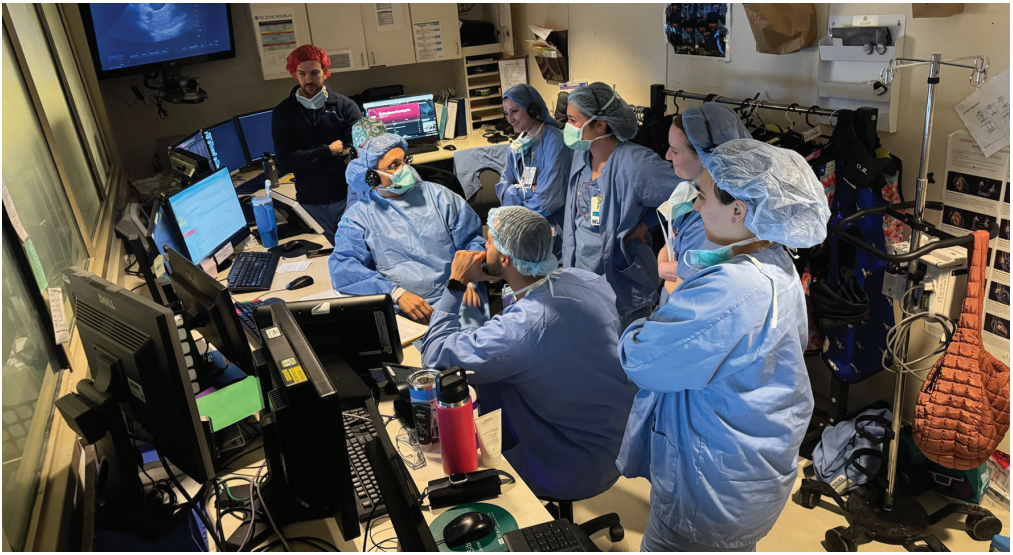
One of the standout features of our EP lab is the control room, which is strategically isolated yet provides a full view of the lab, allowing the monitoring staff to observe all activity in real time. Additionally, our mapping systems are not hardwired, making it easy to switch between multiple platforms and allowing for full mobility of the systems as needed.
What measures has your lab implemented to cut or contain costs? How has use of a third party for reprocessing or catheter recycling impacted your lab?
Our EP lab has implemented several strategies to contain costs while maintaining high-quality care. We partner with Johnson & Johnson MedTech for reprocessing and recycling of EP catheters and cables. This partnership allows us to buy back reprocessed devices, achieving significant cost savings while supporting environmental sustainability. Nationwide, reprocessed devices have helped hospitals save more than $465 million, divert 23.7 million pounds of medical waste from landfills, and reduce 98 million pounds of greenhouse gas emissions.
In addition, our inventory management system provides alerts for upcoming expiration dates, enabling staff to use or reallocate items before they expire—further reducing waste and optimizing resources.
What quality control measures are practiced in your lab?
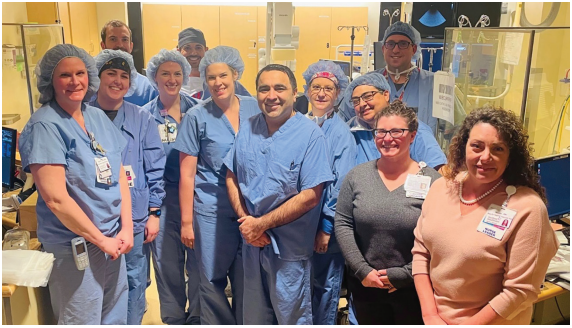
Our EP lab maintains rigorous quality control through a variety of measures. Annual competency sessions are held for low-frequency, high-risk situations to ensure staff readiness. We conduct multidisciplinary mock drills for OR emergencies during laser lead extractions, involving EP staff, electrophysiologists, anesthesia, perfusion, and cardiovascular OR nurses. Additionally, we provide ongoing vendor-led education to ensure staff remain proficient with the devices and technology used in patient care.
What works well in your lab for onboarding new team members?
We follow a standardized onboarding process for new team members in EP. This approach combines electronic learning modules through our learning management system, vendor-led education, and hands-on clinical orientation. All new EP staff complete their training at our flagship hospital, the busiest site with the most complex patient population. This model ensures that every team member receives consistent training and exposure, enabling them to deliver the highest quality of care across all our locations.
What continuing education opportunities are provided for staff members?
We offer multiple opportunities for continuing education to support the growth and development of our staff. Our physicians and team members provide monthly educational sessions and welcome requests for specific topics that the team would like to explore. In addition, staff are encouraged to participate in vendor-led educational programs both on-site and off-site. Our physicians are highly engaged in the EP community, actively contributing to advancements in the field, and they strongly support staff involvement in these efforts. Staff are also encouraged to attend conferences and pursue further education to ensure the highest quality of patient care. Staff maintain and renew their credentials through these continuing education opportunities and through independent learning, continually enhancing their clinical expertise.
Discuss the role of mid-level practitioners in your lab.
Mid-level practitioners play a vital role in our EP lab. Two of our advanced practice practitioners (APPs) are trained to scrub in on procedures, while several are qualified to independently perform loop recorder implants and cardioversions. APPs also support the pre- and postprocedure units by managing admissions and discharges and coordinating higher levels of care when needed, ensuring seamless patient flow and continuity of care.
Share a memorable case from your EP lab and how it was addressed.
A man in his mid-40s with a history of hypertension, hyperlipidemia, and coronary artery disease presented with a complex case. Having undergone a 5-vessel coronary artery bypass grafting at age 34, he later experienced a cardiac arrest due to VT in 2018, which led to placement of a single-chamber ICD. Over the years, he experienced recurrent VT episodes, including symptomatic sustained VT and ICD shocks, initially managed with antitachycardia pacing therapy, but his condition continued to challenge standard treatments.
Seeking relief, the patient underwent endocardial VT ablation. While this procedure improved his condition, it did not fully resolve his symptoms. Working collaboratively, under the guidance of Dr Tolat, our EP team partnered with Dr Helaine Bertsch and the radiation oncology team to perform an additional endocardial ablation followed by stereotactic body radiation therapy. This groundbreaking approach allowed the patient to discontinue antiarrhythmic medications and achieve significant clinical improvement.
Thanks to this innovative collaboration between EP and radiation oncology, the patient’s quality of life has been dramatically enhanced. His case highlights the impact of multidisciplinary teamwork, advanced procedures, and a patient-centered approach in transforming outcomes for those with recurrent VT.
Discuss your program’s approach to CSP.
Our program is a recognized leader in CSP, with approximately 75% of our pacemaker implants utilizing this advanced technique. Our physicians actively share their expertise internationally, providing procedural guidance and training to other implanting clinicians. In addition, our team participates in the Left vs Left trial, contributing to ongoing research and innovation in CSP.
Describe your primary approach to LAAC.
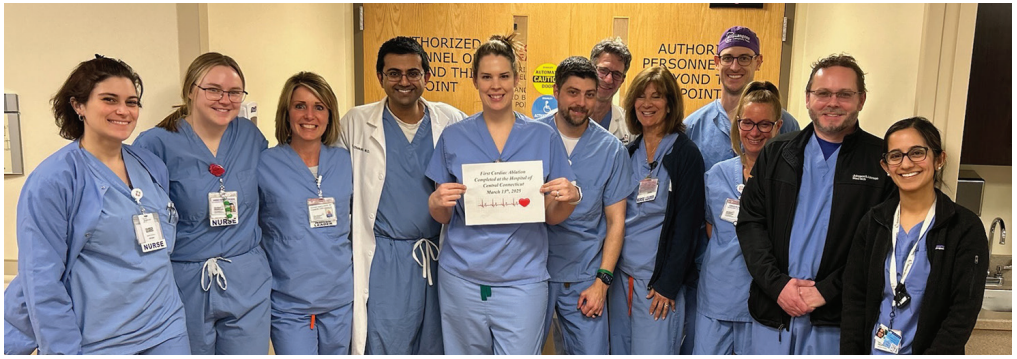
Our LAA occlusion program performs procedures in collaboration with our colleagues in interventional cardiology, enhancing interdepartmental collaboration. Both the Watchman device (Boston Scientific) and the Amplatzer Amulet (Abbott) device are implanted. We are currently an enrolling center in the SIMPLAAFY trial evaluating various anticoagulation regimens post Watchman implant. Our program also works closely with our echocardiographer colleagues as we rely on their guidance for most cases. We have performed intracardiac echocardiography (ICE)-only Watchman implants. We have recently started performing concomitant procedures as well.
Does your program function as an AF Center of Excellence? How do you integrate team-based care pathways and lifestyle risk factor modification to improve outcomes?
The core pillars of AF Centers of Excellence, as defined by the Heart Rhythm Society, are integral parts of our program. Over the past year, an express AF pathway was implemented to expedite patients from the emergency department to an electrophysiologist, improving access and equity of care. The electronic medical record (EMR) (Epic) was leveraged to flag stroke risk scores for patients with AF, ensuring timely initiation of guideline-directed anticoagulation therapy. Our program was also the first in the state to offer PFA using all commercially available catheters.
Our dedicated lifestyle medicine program guides patients with AF toward better outcomes by promoting adherence to weight management, healthy living, and sleep apnea diagnosis and treatment. Data are actively collected to maintain transparency and evaluate patient outcomes.
What is your approach to lead extraction and management?
Dr Clancy, director of lead management, explains: “My approach to lead extraction begins with a comprehensive review of the patient’s history, device details, and imaging to assess lead complexity and potential risks. I work closely with a multidisciplinary team—including anesthesia, nursing, and cardiac surgery—to ensure full preparation, with surgical backup and all necessary extraction tools immediately available. During the procedure, I use a stepwise approach, beginning with simple traction and progressing to mechanical or laser sheaths as indicated, while continuously monitoring for complications. After the extraction, patients are observed for early complications, and the need for device reimplantation is evaluated. Throughout the process, standardized protocols and clear communication remain essential to ensuring patient safety and procedural success.”
The team also conducts biannual superior vena cava tear and lead extraction emergency drills to maintain readiness and confidence in responding to rare intraoperative complications. These exercises reinforce defined roles, communication, and rapid response, supporting the highest standards of safety in the OR.
Discuss your approach to treatment of AF in patients with heart failure (HF).
We take a comprehensive multispecialty approach to patients with AF and HF. This involves coordination with general cardiology and our advanced HF specialists when appropriate. Given the increasing data regarding the benefit of ablation in this population, as well as the increased safety and efficiency provided by pulsed field technology, we are moving towards ablation earlier in the course of managing this often-challenging population.
Please tell our readers what you consider special about your EP lab and staff.
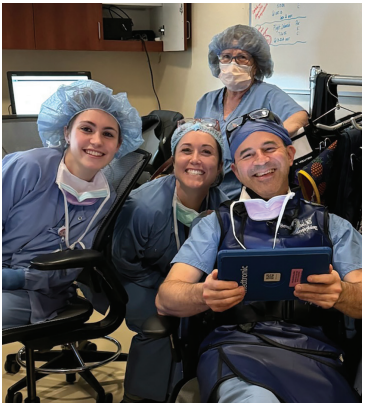
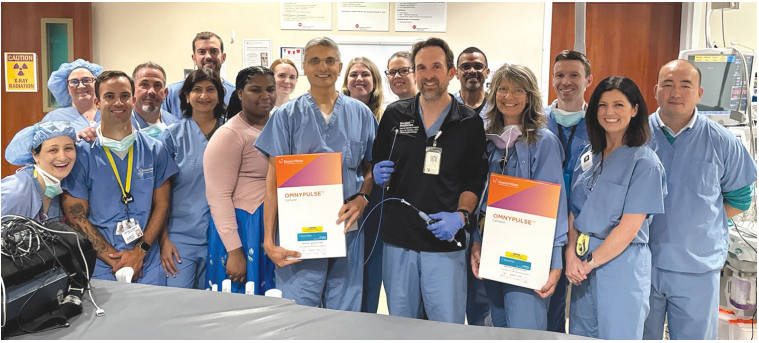
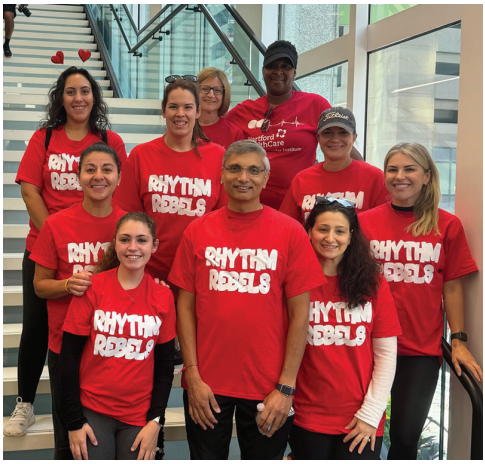
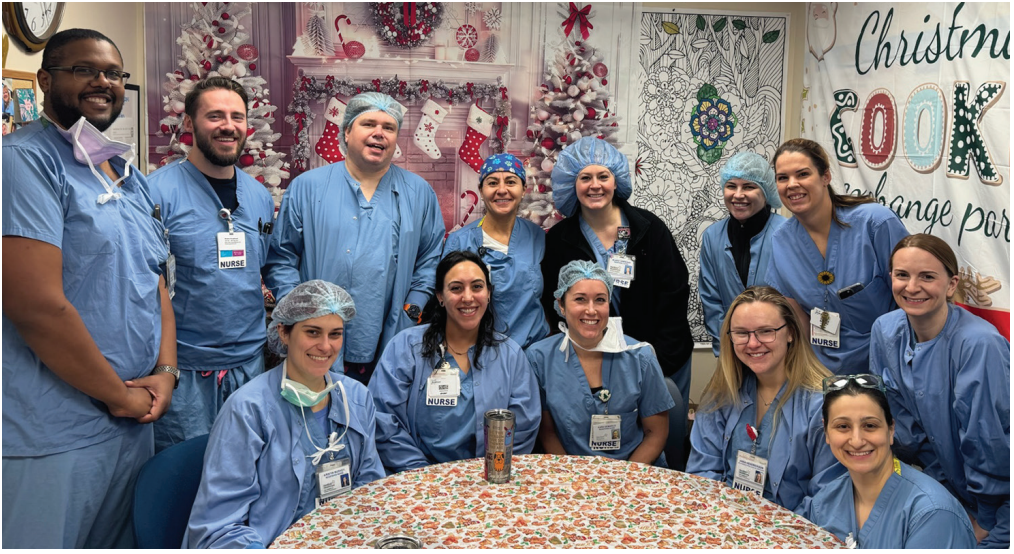
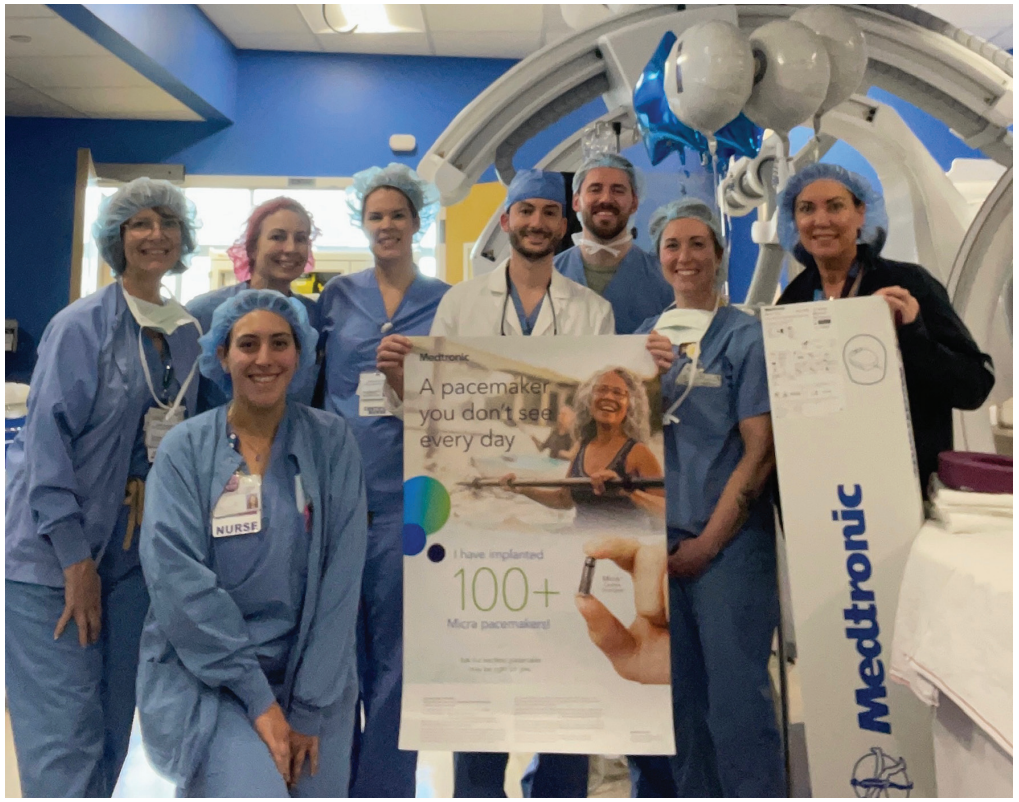
Our team fosters close collaboration among staff and physicians, creating an environment of shared learning and mutual support. Clinical knowledge and skills are continually enhanced through vendor-led education, physician-led training, and self-directed study. In addition to professional development, team cohesion is strengthened through regular team-building activities—such as outings, potlucks, and recognition of life events—and through the acknowledgement of individual and group achievements. This culture of appreciation, connection, and collaboration supports excellence in patient care.
Discuss your approach to arrhythmia management in athletes.
When managing arrhythmias in athletes, the physician team begins with a comprehensive assessment that includes symptom review, family history, and diagnostic testing such as electrocardiography and Holter monitoring. Risk is then stratified to determine which athletes can safely continue training and which require intervention. Treatment is individualized; some athletes benefit from lifestyle modification and reassurance, whereas others may need pharmacologic therapy or ablation. Multidisciplinary collaboration is essential, and the team works closely with other specialties to ensure athletes recognize warning signs and understand the importance of adherence. Ongoing follow-up enables monitoring of progress and timely adjustment of care, with an emphasis on both safety and optimal performance.
How does your EP lab promote radiation safety and minimize fluoroscopy use during procedures?
Radiation safety is a top priority in our EP labs. All staff and physicians follow strict safety protocols, including the use of lead shielding, protective eyewear, and personal dosimeters to monitor exposure. The lab employs radiation-reducing technologies and positioning techniques to minimize scatter, and ongoing staff training reinforces adherence to best practices.
To further reduce radiation exposure, the team has adopted advanced 3D electroanatomic mapping systems and ICE, which enable complex procedures to be performed with little or no reliance on fluoroscopy. As a result, a substantial proportion of ablations—particularly for AF and SVT—are now completed with zero fluoroscopy. For cases requiring X-ray guidance, radiation exposure time and dose are tracked through the EMR system and quality dashboards. These data are reviewed regularly as part of continuous quality improvement to ensure safe, effective, and low-radiation procedural outcomes.
What are some of the dominant trends you see emerging in the practice of EP?
We are seeing a significant rise in AF ablations, particularly with the adoption of PFA technology. Additionally, patients are increasingly using wearable devices to monitor and manage their arrhythmias.
How do you use digital health and wearable technologies in your treatment strategies?
We frequently recommend wearable technologies such as the Apple Watch and KardiaMobile (AliveCor) to help patients monitor their heart rhythm during and after treatment. Many patients now arrive having already purchased these devices and use them to document arrhythmias during symptomatic episodes. While it is still unclear whether these tools directly improve clinical outcomes, they do empower patients by giving them a greater sense of control over their health.
Is your EP lab involved in clinical research?
Research is a cornerstone of the Heart & Vascular Institute at Hartford HealthCare, which is actively engaged in several ongoing clinical studies.
- Left vs Left: A randomized clinical trial comparing cardiac resynchronization therapy to left bundle branch area pacing.
- RADIATE-VT: A multicenter, randomized trial evaluating the safety and efficacy of cardiac radioablation vs repeat catheter ablation in patients with high-risk, refractory VT who have had VT recurrence after ablation and are candidates for additional intervention.
- OMNY-AF: A prospective, single-arm study assessing the safety and efficacy of a novel catheter that combines a large ablation area with mapping capabilities.
- Arm Aflutter Study: A randomized study evaluating the safety, feasibility, and efficacy of performing typical AFL ablation via the arm approach.
- SIMPLAAFY: A randomized trial comparing 2 monotherapy regimens with dual antiplatelet therapy after implantation of the Watchman FLX Pro device in patients with AF, assessing whether a less intensive drug regimen may reduce post-implant bleeding risk.
- AIM HIGHer: A multicenter, randomized, blinded, sham-controlled, investigational device exemption trial evaluating the safety and efficacy of cardiac contractility modulation therapy in patients with symptomatic HF with an ejection fraction of 40% to 70%.
Does your institution offer EP-related procedures in an ambulatory surgical center (ASC)?
Our institution does not currently offer EP-related procedures in an ASC; however, we may evaluate this model in the future as part of a long-term strategy to enhance patient access, efficiency, and overall care delivery.
What is considered historic about your EP program or hospital? Has your program or hospital recently experienced any “firsts”?
Hartford Hospital has a proud history of innovation in EP. We were the first hospital in the nation to commercially use InHEART technology for VT ablation planning, setting a new standard for precision in complex procedures. More recently, we became the only hospital in Connecticut implanting the Aurora EV-ICD device, offering patients access to cutting-edge therapy that is not yet widely available. These milestones reflect our commitment to advancing the field and ensuring our patients benefit from the most innovative treatments available.
We have been involved with physiologic pacing since 2009 that is included but not limited to His bundle pacing. We were actively involved in the early clinical studies that helped shape this therapy.
Discuss your program’s initial treatment and management for patients with postural orthostatic tachycardia syndrome (POTS) or long COVID.
We have established a multidisciplinary team comprised of experts from cardiology, EP, neurology, and gastroenterology to evaluate patients with suspected POTS and long COVID. As this patient population continues to increase, we have launched a dedicated multidisciplinary meeting to foster collaboration, share expertise, and develop coordinated treatment strategies. This approach allows us to provide comprehensive, patient-centered care while addressing the complex and overlapping needs of this unique patient population.
Describe your city or general regional area. How is it unique?
Hartford HealthCare is a comprehensive health system of 44,000 colleagues across 500 locations in 185 communities, dedicated to improving access, quality, equity, and affordability of care. Through our unique institute model, we unite leading experts in heart and vascular, cancer, neuroscience, and orthopedics to provide coordinated, high-quality treatment. Each day, we serve approximately 27,000 patients. Our commitment to safety and excellence has earned national recognition, including Leapfrog A ratings across all hospitals and the 2025 American Hospital Association Quest for Quality Prize.
What specific challenges does your hospital face given its unique geographic service area?
The challenges faced by hospitals in our system are not unique to the region but reflect broader issues affecting health care nationwide. One of the most significant challenges is ensuring health equity and access to high-quality care for all patients in the communities served. We are committed to addressing this by expanding access to advanced, cutting-edge services throughout Connecticut.
Please tell our readers what you consider special about your EP lab and staff.
Our team fosters close collaboration among staff and physicians, creating an environment of shared learning and mutual support. Clinical knowledge and skills are continually enhanced through vendor-led education, physician-led training, and self-directed study. In addition to professional development, team cohesion is strengthened through regular team-building activities—such as outings, potlucks, and recognition of life events—and through the acknowledgement of individual and group achievements. This culture of appreciation, connection, and collaboration supports excellence in patient care.