









The ABCs of Nutrition and Supplementation: What Every Podiatric Physician Should Know
As supplements flood the marketplace and patients arrive armed with questions about nutrition, detoxification, and longevity, podiatrists are uniquely positioned to guide evidence-informed conversations about lifestyle and targeted supplementation. From diabetes and geriatrics to sports medicine and surgical recovery, nutritional status profoundly influences healing, performance, and long-term outcomes. This author shares how embracing a functional, whole-patient perspective may not only improve results—but redefine the modern scope of podiatric care.
Key Takeaways
- Nutrition Is Foundational to Outcomes—Especially in High-Risk Populations. Whether managing diabetes, wound care, geriatrics, athletes, or post-operative patients, nutritional status directly affects healing, neuropathy, infection risk, bone density, muscle strength, and metabolic control.
- Medications Commonly Deplete Essential Nutrients. Many drugs frequently seen in podiatric populations can deplete key vitamins and minerals. Recognizing these interactions allows podiatrists to proactively mitigate downstream effects like neuropathy, mitochondrial dysfunction, impaired wound healing, and muscle weakness.
- Podiatrists Contribute to “Whole Patient” Wellness. Podiatrists routinely manage patients with multisystem disease. Incorporating brief nutritional guidance, protein recommendations, probiotic considerations, gait assessment, and bone health screening can elevate care, reduce complications (including falls and postop infections), and strengthen both patient outcomes and practice growth.
It’s impossible to turn on the television, phone, or laptop, whether through traditional or social media, without seeing a swath of commercials for all kinds of supplements. Supplements are populating traditional and social media sites as well, so it is hard not to take a second look. The global dietary supplement market is accelerating and projected to reach over $414 billion by 2033, reflecting a focus on personalized nutrition, metabolic health, and a consumer focus on prevention. Even the government is in on this trend. The Department of Health and Human Services (HHS) has changed the food pyramid to reflect healthy food choices and to understand what our food will help or harm us. This attention is well overdue, in my opinion.1
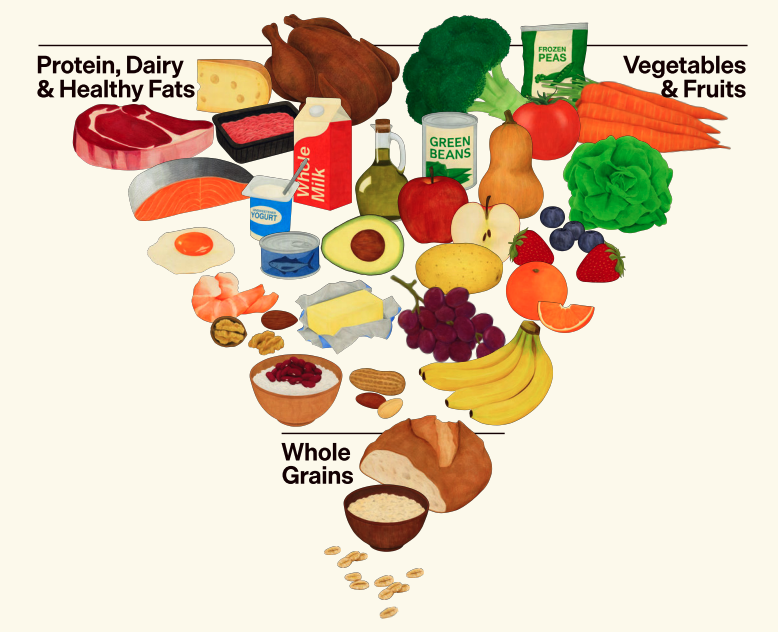
All these messages are coming to us; what supplements to use and what to watch for in our food (bacterial contamination, pesticides, toxins, microplastics from the bottles, cans and water pipes we are drinking, bathing and eating out of). Although I feel strongly that these messages are important, they may seem daunting to some. In this piece, we will begin to demystify some key concepts that could enhance aspects of your practice.
Food Versus Supplementation: Professional and Personal Perspectives
In theory, eating nutritious foods, including a variety of colored fruits and vegetables along with healthy proteins, is always recommended over poor food choices combined with lots of vitamin supplements. However, many of our farmlands exhibit depletion of essential minerals, leading to a loss of proper nutrient levels in the foods they produce.2 The land may be over-tilled, have poor crop rotation, or treatment with potentially dangerous fertilizers and pesticides. Even with the best intentions, using organic foods can still pose a bit of risk. Recently, some farmers wanting better yields and healthier crops are utilizing regenerative agriculture, improved crop rotation, and adding back some micronutrients to the soils. Even so, the crops coming out of the soil are still not as nutritious as they were decades ago, making supplementation an important consideration. When we suggest, directly prescribe, or send a patient out for a nutrition consult, the potential benefits are significant. Let’s see why.
In my professional journey, I utilized, suggested, or dispensed supplements to my patients for almost all of my 32 years in practice. From the early 1990s I attended numerous holistic and functional medicine conferences here and abroad, mostly with nutrition and wellness-minded MDs and chiropractors. I learned early on of the potential benefits of supplementation, nutrition, and other botanical products were amazing and necessary for improved podiatric medical outcomes, vital health, well-functioning organs, and improved immune function. Unfortunately, there is little or no instruction on wellness and nutrition in traditional allopathic medical and podiatry schools, unlike dental and chiropractic schools, which have more in-class instruction on nutrition. From attending these seminars, I learned how to incorporate patient education on, and recommendations for, nutrition for the conditions we treat, and for overall wellness.
My experience on this topic is not only informed by lessons learned professionally, but personally as well. I knew that if I ever faced a cancer or other serious diagnosis, I would incorporate a functional medicine approach by utilizing supplementation along with traditional treatments. Well, it happened, when I received a breast cancer diagnosis, I sought an early consult with a functional medicine (MD) oncologist to assist me in my journey. I understand everybody’s diagnosis, treatment course, prognosis, and journey are different, but there is absolutely no doubt in my mind that the supplements and the daily choices that I incorporated made an incredible difference in my treatment course and outcome. I did not miss a day of work during chemotherapy treatments, and surprisingly even to me, I felt energized and healthy. Nurses, doctors, friends, family, and the many patients I shared my journey with, could not believe how well I was doing along the way. I also adopted changes in my diet, avoiding alcohol and sugar.3 Laughter truly was also the best medicine; I made a point of watching comedy shows before bed and spent time with a rotating group of friends at each chemo visit. I undertook these approaches in addition to other pathways and tools, such as chemotherapy haircaps, and cold hand and foot booties.
Various clinicians and departments along the way had different reactions to my nutritional approach. Some felt the supplements would interfere with chemotherapy; others were disinterested but appreciated the results. I also found over the years that very few patients dealing with cancer received any nutritional guidance or counsel. I even asked the few oncologists or oncology RNs that came in as patients, if they utilized any nutritional measures for patients and the answer was always no. Cancer treatments ravish and stress the body in many ways, and sometimes these results can be so destructive it creates suffering and failing body systems. Utilizing the proper nutrients along the way can mitigate these effects and aid the body back to homeostasis. All of these personal and professional experiences during over 32 years in practice, made it very clear to me how nonexistent education was on the importance of the nutrients, vitamins, minerals and antioxidants that are needed to run the billions of equations going on in our cells every minute!
A quote that I coined decades ago that I used with patients, rotating podiatric students, fellow doctors, and seminar or screening participants is, “Podiatrists are the family practitioners of the lower extremity.” I say this because we take care of patients who have conditions in every body system, and we have to understand it all. Most podiatrists can see a daily schedule of patients and no 2 patients are alike or have the same conditions, complaints, or treatments. We have to be able to decipher problems within the systems of; dermatology, radiology, orthopedics, internal medicine, biomechanics, surgery, rheumatology, vascular medicine, neurology, infectious disease/wounds, etc. That’s what makes the podiatric physician very special and very different. Podiatrists have to know how to recognize and diagnose patients with medical conditions in all of these body systems on a daily basis and incorporate these considerations into our treatment. Consulting with a nutrition specialist who understands supplementation can aid in recommending appropriate nutritional interventions, as well. I have carried this “we are the family practitioner of the lower extremity” sentiment throughout the 32+ years of private practice, and we all should be very proud of it.
Genetics Versus Lifestyle
“Your genetics load the gun and your lifestyle pulls the trigger.”4,5 This is not my quote, but one I often hear from functional medical doctors— a powerful and thought-provoking statement! Lifestyle is what often pulls the trigger, and excess of anything may not be good for our health. This may include poor quality or processed food consumption, using recreational drugs, cigarettes or alcohol, or a lack of healthy exercise, activities, or social interactions. Understanding this common sense list, we should look at the causes not the symptoms when dealing with poor health and understanding how proper nutrients can often reverse and/or improve many health concerns and conditions. Most medical physicians treating symptoms prescribe numerous medications to counteract the wrath of consequences of “bad behaviors.” In my experience, a bit of lifestyle tweaking may go a long way, along with supplementation for assistance.
The Role of the Gut
Hippocrates stated, “all disease begins in the gut,” which was rather profound in 400 BC!5,6 It is amazing that he understood in ancient times, how digestion is vital for the nutrients in our food to be absorbed and processed properly to stay healthy. Digestion is a beautiful orchestration of absorption, enzymatic degradation and elimination, and all of these processes are dependent on each other. Common drug types such as antacids and antibiotics are commonly prescribed and overutilized. These 2 categories of medications really wreak havoc on our gut. When using these meds, we see gut bacteria and enzyme dysregulation and disruption. After prolonged usage of either, it may take a long time to restore the delicate balance of these circulating inhabitants of the gastrointestinal system. Antacids typically deplete vitamins B9, B12, vitamin D, calcium, iron, and zinc.7-11 Unfortunately, many physicians who prescribe antibiotics don’t suggest probiotic/prebiotic supplementation to help keep the gut bacteria in balance during the medication course.12 Please consider making that change now. There is much emerging research on the microbiome or “microbiota” as researchers call it, in neurodegenerative disorders, citing more dysbiosis issues in those types of patients versus normal subjects.13 In regards to selecting a probiotic, there are numerous considerations, but consider a supplement that is room temperature stable and has a mixed group of strains to start.14 Depending on specific symptoms or situations, there are different strains that one can easily research and utilize.
Nutrition and Common Podiatric Conditions—Diabetes
No matter what type of patients dominate your office schedules, consideration of nutritional support is imperative, so I will lay out some considerations here that you are likely to encounter.
The population of patients with diabetes is growing. It’s estimated that there are over 40 million people or about 12% with diagnosed diabetes, and another 115 million adults with prediabetes. Out of these numbers those with type 1 diabetes make up about 2.1 million, thus the majority of those dealing with diabetes have type 2.15 This patient population may deal with multiple comorbidities within the vascular, neurological, medical and orthopedic systems, as we know all too well, almost no system is spared. If we can help a patient improve blood sugar or avoid adverse effects of treatment, it is a major win for everyone.
One medication commonly used in the diabetic population that can potentially cause issues is metformin; this medication can deplete vitamin B12.16 If the patient has diabetic peripheral neuropathy, depleted B12 may also contribute to neuropathic symptoms.17 One another note, when vitamins B6, B9, and B12 are low, they in turn elevate homocysteine, an amino acid produced during protein synthesis. Homocysteine is vital for heart and brain health, and if elevated it may result in blood clots, heart disease, stroke and possibly Alzheimer’s.18
Other medications many patients with diabetes (and others) take are antihypertensives (specifically beta-blockers) and statins. These drugs may deplete coenzyme Q10, which causes mitochondrial dysfunction.19-20 CoQ10 is a very important antioxidant nutrient found in every cell of the body, but highly concentrated in the heart. We cannot live without. It converts carbohydrates and fats into adenosine triphosphate (ATP) used by mitochondria. CoQ10 helps fight free radicals which can negatively affect cell membranes and DNA.21 Loss of CoQ10 can lead to muscle complaints, kidney issues, and heart failure. Diuretics can also deplete CoQ10 and many of the various B vitamins which are vital for proper neurological function.22 Although we do not prescribe these drugs directly, it is important to realize the nutritional deficiencies that may result, especially when there is a lower extremity impact.
Some specific nutrients/minerals to know more about for patients with diabetes include:23-35
- Chromium: helps insulin attach to the cell’s receptors, so increasing glucose uptake, deficiency may cause insulin resistance23
- Alpha lipoic acid: enhances glucose uptake, very effective for neuropathy24
- CoQ10: protects the heart, kidneys, and improves glycemic control as well25
- Vitamin E: protects pancreatic B cells from oxidative stress26
- Vitamin C: lowers HbA1c and fasting and post meal glucose levels27
- Vitamin D3: improves immune function, suppresses inflammation of pancreatic B cells28
- Vitamin B3 (niacin): preserves B cell and general energy function, may lower cholesterol, prevention of early onset type 1 diabetes29
- Vitamin B6: can protect against neuropathy. Maintains hormone levels, and proper immune function30
- Vitamin B12: protects myelin sheath, protects against neuropathy, supports mental function. Low B12 is pernicious anemia31
- Glutamine: stimulates GLP-1 peptide to regulate insulin secretion after meals32
- Magnesium: low serum levels has shown an association with diabetic foot ulcers33
- Zinc: needed for synthesis of insulin, protects B cells, and effective in skin and wound healing34
- Berberbine: plant compound, helps to lower blood sugar levels, improving LDL levels and aiding weight loss35
These above mentioned nutrients play roles in insulin regulation, skin and wound healing, and improvement of neuropathy, heart disease, and other vascular issues. Don’t forget protein is also paramount for those with diabetes and/or foot ulcers, with benefit after serious injury, ulcer, or surgery (recommendation is 1.2–2 grams per kilogram of body weight postop).36,37 For example, for a 75-kilogram (150-pound) patient, I would suggest that they eat about 150 grams of protein per day. I also recommended a protein-rich diet to my patients with diabetes and gave them a handout on the glycemic index (GI) of foods.38,39 I encouraged them to eat protein at every meal, as it would have a positive effect on the blood sugar spike coupled with eating lower GI foods. I was disappointed to find over 32 years in practice that most, if not all of my patients with diabetes never received proper education or direction to a nutritionist or dietitian for the basic facts of how different foods impact blood sugar, even though I practiced in a well-resourced area.
Insights for a Geriatric Population
If you treat mostly geriatric patients, concerning issues include balance and gait perturbances.
It has long been noted and the data still proves that “falls” are the number 1 cause of death in this country.40 As podiatrists we can help change this stat, starting in our office! Since many of our patients are in this category, we need to be more diligent with examining gait. The basis of most of what we do and make a living at, is based on what happens when the foot hits the ground. Examining and changing shoe gear as needed, adding balance-type bracing, and some gait and balance training, can make a difference. Another important consideration for these concerns in our older patients is how nourished they are. Malnourished patients are generally going to be weaker, which may hinder gait, strength and balance. In my experience, educating patients on proper amounts of protein, calories and vitamins could really make a difference, especially if caloric intake is low.
Regarding bone density, podiatrists can easily order bone density exams. If bone density is low, vitamin D3 supplementation coupled with vitamin K2 may be in order.41 K2 activates the protein that binds calcium to the bony matrix and also aids in preventing calcium from binding to the artery walls. This is not to be confused with vitamin K1, which is involved in the clotting factors.42 Vitamin K1 originates from plants (leafy greens) and K2 from gut bacteria. The K vitamins may be depleted when patients are on a blood thinner or long-term antibiotics.43
Even in seniors who are not clinically malnourished, they may encounter a protein deficiency, so suggesting that they increase intake can also help with muscle mass which could presumably help with strength and gait. In regard to protein, seniors should be using 1–1.2 grams per kg of body weight.44 There are plant-based and meat-based options to suit every diet. Studies have also shown that there is an association between vitamin D deficiency and cognitive impairment, among many other medical conditions, so supplementation may help.45,46
Depending on the medications these patients are taking, be aware of the potential for nutrient depletion (see list below).
Nutrients and supplements that could aid our senior population include:
- Vitamin C: is essential, manufactures collagen for connective tissue, important for immune health as an antioxidant47
- Vitamin D3: pro-hormone, improves bone density, improved immune response48
- Vitamin K2: prevents osteoporosis49
- Protein: increase to improve muscle mass, immune function, hormone signaling, transport for hemoglobin50
- CoQ10: Improves cardiac cellular function, improves energy production and is a powerful antioxidant51
Notes on Nutrition in Sports Medicine
If sports medicine is your focus, then understanding performance is important for pediatric or adult athletes. Proper hydration, protein, vitamins, minerals, and antioxidants, will allow the muscles to function at peak abilities, potentially cause less fatigue, and prevent injury. The female athlete triad or RED-S (relative energy deficiency in sports), is most seen in women and girls, but has also been reported in male athletes.52,53 When concerned about RED-S in younger athletes, proper calorie intake and its nutritional values need to be ascertained. Often mental health issues are at the forefront here, so a team approach is important. Adding proper protein, calories and a full spectrum of vitamins and minerals is paramount. I have observed that sometimes an athlete will have a loss of bone mineral density without a true “eating disorder” and is spurred on by simply overtraining and a low caloric intake for their specific athletic requirements. Reduction of training hours and the addition of proper number of nutritious calories with protein is important.
Calculating the number of calories needed daily for the specific athlete is part of the equation. Support this with education on training hours, proper strengthening, shoe gear changes, and improvement of technique. For all athletes, making them aware of the calories needed to perform their activity is important. For example, runners generally burn 100 calories per mile. It is important to keep the physics equation in mind of work = force x distance. Dancers burn about 2 calories per body pound per hour of dancing. Runners training for a marathon can lose weight or gain weight while training, and both can influence performance and/or injury rate. A young dancer weighing 100 pounds skipping lunch and going into 4 hours of dance class after school, could set them back about 800 calories by the end of class. This is not optimal if they have only eaten a few hundred calories that day at breakfast. They are already in a major caloric deficit, as they would need about 1300 calories per day for their everyday basal metabolic needs. Loss of body mass and injury could result longer-term. Making sure athletes eat a balanced meal with protein, fiber, and proper nutrients is important for performance. Hydration is also very important for everyone, but especially in athletes with excessive sweating or in continued warm weather situations.
Some nutrients that could aid our sports medicine patients include:
- Vitamin D3: helps to preserve bone density, and immune function48
- Vitamin C: may decrease post-workout soreness and is required for collagen production, reduces cortisol-induced muscle catabolism54
- Vitamin E: intense training can cause cellular stress, vitamin E protects the enzymes responsible for repair55
- B-vitamins: they are all co-factors for energy metabolism from food, B9 (folate) and B12 are important for synthesis of RBC’s, overall B vitamins are important for energy production55
- CoQ10: mitigates muscle damage, helping strength and endurance56
- Asparagine: increases the capacity of muscles to use fatty acids, helps to increase time to physical exhaustion
- Magnesium: key to ATP production, increasing energy storage, may help with aerobic performance and muscle repair55
- Zinc: deficiency common in distance runners, this interacts with hormones to improve body composition, should be accompanied by copper55
- Glutathione: powerful antioxidant, helps with detoxification of free radicals common in intense workouts57
Important Consideration in Infection, Wound Care, and Complex Surgeries
These patients may fall into other categories above but understanding how to augment your treatment regimen could make a difference in wound and infection response rates. Studies have shown that postoperative infections occur more frequently in malnourished patients versus well-nourished patients.58 Advising your patients to eat properly and supplement where needed is paramount for successful surgery outcomes and wound healing. There is a general increased rate of mortality and morbidity when patients are malnourished. As previously discussed, increasing up to 2 grams of protein per kg of patient body weight during the postop period is even more vital in medically compromised surgical patients. If the patients are hospitalized this should automatically be the hospital protocol, but it behooves the podiatric surgeon to check the diet plan, and make sure they are discharged with this information as well. This protein and nutrition directive can be explained on the postop instruction sheet given to patients. Consider listing some viable protein sources and how many grams of protein are in a serving of meat, fish, etc.—ie, a “palm sized” serving of fish or chicken has about 25–30 grams of protein (see Figure 1) this gives them an understanding of what amount of protein they need. During the postop period, antibiotics may be utilized. Remember they deplete and dysregulate the important bacteria in our gut and they can also deplete certain vitamins especially when taken for an extended period of time. Consider adding appropriate probiotics and supplementation in these cases.
The Impact of Medications on Nutrition
There are many commonly used drugs in healthcare that can impact nutrition. Below are some example:59
- Antibiotics: deplete calcium, zinc, magnesium, iron, B vitamins, essential gut bacteria.
- Oral diabetic medications: deplete CoQ10, vitamin B12, folic acid,
- Aspirin/other NSAIDs/oral steroids: deplete vitamin C, folic acid, iron, potassium, calcium, magnesium, selenium, zinc
- Antacids/proton pump inhibitors: deplete vitamin B12, vitamin C, vitamin D3, B9 (folic acid), calcium, iron, zinc, beta carotene, protein
- Statins: deplete CoQ10, vitamin D, vitamin E, beta carotene
- Diuretics: deplete vitamin B1, B6, vitamin C, magnesium, calcium, vitamin K, zinc sodium, magnesium, CoQ10,
- Cardiovascular drugs: deplete vitamin B6, B9, CoQ10, calcium, magnesium, zinc, potassium, iron
- Hormone replacement/birth control pills: deplete vitamins B1, B2, B3, B6, B12, folic acid, vitamin C, magnesium, selenium, zinc
Nutritional Considerations for GLP-1 Agonist Drugs
With the explosion of GLP-1 medications, there are some nutritional considerations to keep in mind. Even though you are not prescribing them, many patients are on them, and although they may help patients to lose weight, control blood glucose, and potentially wean off many chronic condition medications, there are downstream effects. Often known to take the “food noise” away for patients, some may lose weight at a rapid rate, typically with little caloric intake. These patients may need a well-rounded supplement, increased protein intake, and strength training exercise. Without these considerations, they could lose lean body mass.60 After discontinuing the drug, weight gain is accelerated due to that lean body mass depletion. Unlike those undergoing bariatric surgery, patients taking GLP-1s may not get nutritional consults, supplements, and diets administered by a medical team, especially those obtaining the medication online without direct medical support. well-rounded nutritional intake and strengthening exercises, the patient may experience detrimental effects. Giving patients some suggestions would be an excellent way to help them in their weight loss journey, in a safe and effective way. At the time of the writing of this article, recent concerns suggests that scurvy is now emerging in patients taking GLP-1 drugs.61 These drugs have some major benefits for our obesity epidemic issues, but consideration of their potential side effects should be brought to the forefront of discussions.
Concluding Thoughts
Within this article, my hope is that a few pearls were given to incorporate into practice. One must always keep learning new facts and strategies to help patients. It’s never too late to change or add new things to your practice. Despite AI, technology and other evolutions in healthcare, we remain at the front lines of helping our patients. Taking this information and sharing it firsthand with patients allows us to continue to grow and evolve as well.
Dr. Schoene is a sports and dance medicine specialist and a Fellow of the American Academy of Podiatric Sports Medicine. A retired certified athletic trainer and Fellow of the American College of Foot and Ankle Surgeons, she worked at the Atlanta Olympics, World Cup Soccer Games in Chicago, and was the podiatrist for the Division 1 DePaul Blue Demons athletics department for 30 years. She worked with numerous professional dance companies in Chicago. She was on faculty at William M. Scholl College of Podiatric Medicine, has authored textbooks and articles, lectured and taught in the podiatric field for over 30 years.
References
1. Grand View Research. Dietary Supplements Market (2026–2033). Available at https://www.grandviewresearch.com/industry-analysis/dietary-supplements-market-report . Accessed March 20, 2026.
2. Silver WL, Perez T, Mayer A, Jones AR. The role of soil in the contribution of food and feed. Philos Trans R Soc Lond B Biol Sci. 2021;376(1834):20200181. doi:10.1098/rstb.2020.0181
3. Epner M, Yang P, Wagner RW, Cohen L. Understanding the link between sugar and cancer: an examination of the preclinical and clinical evidence. Cancers (Basel). 2022 Dec 8;14(24):6042. doi: 10.3390/cancers14246042. PMID: 36551528; PMCID: PMC9775518.
4. Shammas MA. Telomeres, lifestyle, cancer, and aging. Curr Opin Clin Nutr Metab Care. 2011;14(1):28-34. doi:10.1097/MCO.0b013e32834121b1
5. Shurney D. The gut microbiome: unleashing the doctor within. Am J Lifestyle Med. 2019;13(3):265-268. Published 2019 Feb 1. doi:10.1177/1559827619826551
6. Lyon L. 'All disease begins in the gut': was Hippocrates right? Brain. 2018;141(3):e20. doi:10.1093/brain/awy017
7. Lam JR, Schneider JL, Zhao W, Corley DA. Proton pump inhibitor and histamine 2 receptor antagonist use and vitamin B12 deficiency. JAMA. 2013;310(22):2435-2442. doi:10.1001/jama.2013.280490
8. EBSCO CAM Review Board. Antacids (drug interactions). Available at https://www.ebsco.com/research-starters/health-and-medicine/antacids-drug-interactions. Published 2024. Accessed March 20, 2026.
9. Heidelbaugh JJ. Proton pump inhibitors and risk of vitamin and mineral deficiency: evidence and clinical implications. Ther Adv Drug Saf. 2013 Jun;4(3):125-33. doi: 10.1177/2042098613482484. PMID: 25083257; PMCID: PMC4110863.
10. Farrell CP, Morgan M, Rudolph DS, et al. Proton pump inhibitors interfere with zinc absorption and zinc body stores. Gastroenterology Res. 2011;4(6):243-251. doi:10.4021/gr379w
11. Losurdo G, Caccavo NLB, Indellicati G, et al. Effect of long-term proton pump inhibitor use on blood vitamins and minerals: a primary care setting study. J Clin Med. 2023 Apr 17;12(8):2910. doi: 10.3390/jcm12082910. PMID: 37109245; PMCID: PMC10146626.
12. Rodgers B, Kirley K, Mounsey A. PURLs: prescribing an antibiotic? Pair it with probiotics. J Fam Pract. 2013;62(3):148-150.
13. Jain A, Madkan S, Patil P. The role of gut microbiota in neurodegenerative diseases: current insights and therapeutic implications. Cureus. 2023;15(10):e47861. Published 2023 Oct 28. doi:10.7759/cureus.47861
14. Kim H, Haque MA, Razzak MA, Jang MJ, Song S, Ku S. Probiotic development strategy centered on stability and regulatory considerations. Compr Rev Food Sci Food Saf. 2026;25(1):e70320. doi:10.1111/1541-4337.70320
15. Centers for Disease Control and Prevention. National Diabetes Statistics Report. Available at https://www.cdc.gov/diabetes/php/data-research/index.html. Published Jan. 21, 2026. Accessed March 20, 2026.
16. Sayedali E, Yalin AE, Yalin S. Association between metformin and vitamin B12 deficiency in patients with type 2 diabetes. World J Diabetes. 2023;14(5):585-593. doi:10.4239/wjd.v14.i5.585
17. Dekker MJHJ, Heerdink GC, Plattel CHM. Vitamin B12 deficiency-induced neuropathy and cognitive and motor impairment in the elderly: a case study. Food Nutr Bull. 2024;45(1_suppl):S53-S57. doi:10.1177/03795721241226886
18. Bajic Z, Sobot T, Skrbic R, et al. Homocysteine, Vitamins B6 and folic acid in experimental models of myocardial infarction and heart failure-how strong is that link? Biomolecules. 2022;12(4):536. Published 2022 Apr 1. doi:10.3390/biom12040536
19. Deichmann R, Lavie C, Andrews S. Coenzyme q10 and statin-induced mitochondrial dysfunction. Ochsner J. 2010;10(1):16-21.
20. Sarter B. Coenzyme Q10 and cardiovascular disease: a review. J Cardiovasc Nurs. 2002;16(4):9-20. doi:10.1097/00005082-200207000-00003
21. Quinzii CM, Emmanuele V, Hirano M. Clinical presentations of coenzyme q10 deficiency syndrome. Mol Syndromol. 2014;5(3-4):141-146. doi:10.1159/000360490
22. Morrow LE, Grimsley EW. Long-term diuretic therapy in hypertensive patients: effects on serum homocysteine, vitamin B6, vitamin B12, and red blood cell folate concentrations. South Med J. 1999;92(9):866-870. doi:10.1097/00007611-199909000-00003
23. Havel PJ. A scientific review: the role of chromium in insulin resistance. Diabetes Educ. 2004;Suppl:2-14. PMID: 15208835.
24. Capece U, Moffa S, Improta I, et al. Alpha-lipoic acid and glucose metabolism: a comprehensive update on biochemical and therapeutic features. Nutrients. 2022 Dec 21;15(1):18. doi: 10.3390/nu15010018. PMID: 36615676; PMCID: PMC9824456.
25. Testai L, Martelli A, Flori L, Cicero AFG, Colletti A. Coenzyme Q10: clinical applications beyond cardiovascular diseases. Nutrients. 2021 May 17;13(5):1697. doi: 10.3390/nu13051697. PMID: 34067632; PMCID: PMC8156424.
26. Borçari NR, Dos Santos JF, Reigado GR, Freitas BL, Araújo MDS, Nunes VA. Vitamins modulate the expression of antioxidant genes in progesterone-treated pancreatic β cells: perspectives for gestational diabetes management. Int J Endocrinol. 2020 Sep 15;2020:8745120. doi: 10.1155/2020/8745120. PMID: 33014046; PMCID: PMC7512066.
27. Dakhale GN, Chaudhari HV, Shrivastava M. Supplementation of vitamin C reduces blood glucose and improves glycosylated hemoglobin in type 2 diabetes mellitus: a randomized, double-blind study. Adv Pharmacol Sci. 2011;2011:195271. doi: 10.1155/2011/195271. Epub 2011 Dec 28. PMID: 22242019; PMCID: PMC3254006.
28. Meng X, Yang X, Lu H, Yang X, Hu D, Wu H. Vitamin D and its regulatory role in pancreatic β-cell function: implications for diabetes. Diabetes Metab Syndr Obes. 2025 Dec 23;18:4741-4754. doi: 10.2147/DMSO.S551390. PMID: 41459328; PMCID: PMC12743462.
29. Schandelmaier S, Briel M, Saccilotto R, et al. Niacin for primary and secondary prevention of cardiovascular events. Cochrane Database Syst Rev. 2017 Jun 14;6(6):CD009744. doi: 10.1002/14651858.CD009744.pub2. PMID: 28616955; PMCID: PMC6481694.
30. Muhamad R, Akrivaki A, Papagiannopoulou G, Zavridis P, Zis P. The role of vitamin B6 in peripheral neuropathy: a systematic review. Nutrients. 2023 Jun 21;15(13):2823. doi: 10.3390/nu15132823. PMID: 37447150; PMCID: PMC10343656.
31. Calderón-Ospina CA, Nava-Mesa MO. B Vitamins in the nervous system: Current knowledge of the biochemical modes of action and synergies of thiamine, pyridoxine, and cobalamin. CNS Neurosci Ther. 2020 Jan;26(1):5-13. doi: 10.1111/cns.13207. Epub 2019 Sep 6. PMID: 31490017; PMCID: PMC6930825.
32. Jafari-Vayghan H, Varshosaz P, Hajizadeh-Sharafabad F, et al. A comprehensive insight into the effect of glutamine supplementation on metabolic variables in diabetes mellitus: a systematic review. Nutr Metab (Lond). 2020 Sep 25;17:80. doi: 10.1186/s12986-020-00503-6. PMID: 32983244; PMCID: PMC7517657.
33. Keşkek SO, Kırım S, Karaca A, Saler T. Low serum magnesium levels and diabetic foot ulcers. Pak J Med Sci. 2013 Nov;29(6):1329-33. doi: 10.12669/pjms.296.3978. PMID: 24550947; PMCID: PMC3905391.
34. Lin PH, Sermersheim M, Li H, Lee PHU, Steinberg SM, Ma J. Zinc in wound healing modulation. Nutrients. 2017 Dec 24;10(1):16. doi: 10.3390/nu10010016. PMID: 29295546; PMCID: PMC5793244.
35. Utami AR, Maksum IP, Deawati Y. Berberine and its study as an antidiabetic compound. Biology (Basel). 2023;12(7):973. Published 2023 Jul 8. doi:10.3390/biology12070973
36. Beasley JM, Wylie-Rosett J. The role of dietary proteins among persons with diabetes. Curr Atheroscler Rep. 2013;15(9):348. doi:10.1007/s11883-013-0348-2
37. Joshi R, Khalife A. Perioperative nutrition support: a narrative review. Ann Clin Nutrit Metab. 2023; 15(2):40-45.
38. Commonwealth of Virginia. Glycemic index. Available at https://www.va.gov/WHOLEHEALTHLIBRARY/docs/Glycemic-Index.pdf. Accessed March 20, 2026.
39. Vlachos D, Malisova S, Lindberg FA, Karaniki G. Glycemic Index (GI) or Glycemic Load (GL) and dietary interventions for optimizing postprandial hyperglycemia in patients with T2 diabetes: a review. Nutrients. 2020;12(6):1561. Published 2020 May 27. doi:10.3390/nu12061561
40. Hamilton MP, Bellolio F, Jeffery MM, et al. Risk of falls is associated with 30-day mortality among older adults in the emergency department. Am J Emerg Med. 2024;79:122-126. doi:10.1016/j.ajem.2024.02.020
41. Iwamoto J, Takeda T, Ichimura S. Effect of combined administration of vitamin D3 and vitamin K2 on bone mineral density of the lumbar spine in postmenopausal women with osteoporosis. J Orthop Sci. 2000;5(6):546-551. doi:10.1007/s007760070003
42. Science Direct. Vitamin K. Available at https://www.sciencedirect.com/topics/agricultural-and-biological-sciences/vitamin-k. Accessed March 20, 2026.
43. National Institutes of Health. Vitamin K fact sheet. Available at https://ods.od.nih.gov/factsheets/VitaminK-HealthProfessional/. Accessed March 20, 2026.
44. Harris S, DePalma J, Barkoukis H. Protein and aging: practicalities and practice. Nutrients. 2025;17(15):2461. Published 2025 Jul 28. doi:10.3390/nu17152461
45. Gáll Z, Székely O. Role of vitamin D in cognitive dysfunction: new molecular concepts and discrepancies between animal and human findings. Nutrients. 2021;13(11):3672. Published 2021 Oct 20. doi:10.3390/nu13113672
46. Annweiler C, Schott AM, Allali G, et al. Association of vitamin D deficiency with cognitive impairment in older women: cross-sectional study. Neurology. 2010;74(1):27-32. doi:10.1212/WNL.0b013e3181beecd3
47. Alberts A, Moldoveanu ET, Niculescu AG, Grumezescu AM. Vitamin C: a comprehensive review of its role in health, disease prevention, and therapeutic potential. Molecules. 2025 Feb 6;30(3):748. doi: 10.3390/molecules30030748. PMID: 39942850; PMCID: PMC11820684.
48. Muresan GC, Hedesiu M, Lucaciu O, Boca S, Petrescu N. Effect of vitamin D on bone regeneration: a review. Medicina (Kaunas). 2022 Sep 23;58(10):1337. doi: 10.3390/medicina58101337. PMID: 36295498; PMCID: PMC9610653.
49. Iwamoto J. Vitamin K₂ therapy for postmenopausal osteoporosis. Nutrients. 2014 May 16;6(5):1971-80. doi: 10.3390/nu6051971. PMID: 24841104; PMCID: PMC4042573.
50. Kokura Y, Ueshima J, Saino Y, Maeda K. Enhanced protein intake on maintaining muscle mass, strength, and physical function in adults with overweight/obesity: A systematic review and meta-analysis. Clin Nutr ESPEN. 2024 Oct;63:417-426. doi: 10.1016/j.clnesp.2024.06.030. Epub 2024 Jun 24. PMID: 39002131.
51. Rabanal-Ruiz Y, Llanos-González E, Alcain FJ. The use of coenzyme Q10 in cardiovascular diseases. Antioxidants (Basel). 2021 May 10;10(5):755. doi: 10.3390/antiox10050755. PMID: 34068578; PMCID: PMC8151454.
52. Piselli E. Relative energy deficiency in sport (RED-S): beyond the female triad. Podiatry Today. 2022; 35(4):28-30.
53. Lane AR, Hackney AC, Smith-Ryan AE, Kucera K, Register-Mihalik JK, Ondrak K. Energy availability and RED-S risk factors in competitive, non-elite male endurance athletes. Transl Med Exerc Prescr. 2021;1(1):25-32.
54. DePhillipo NN, Aman ZS, Kennedy MI, Begley JP, Moatshe G, LaPrade RF. Efficacy of vitamin C supplementation on collagen synthesis and oxidative stress after musculoskeletal injuries: a systematic review. Orthop J Sports Med. 2018;6(10):2325967118804544. Published 2018 Oct 25. doi:10.1177/2325967118804544
55. Ghazzawi HA, Hussain MA, Raziq KM, et al. Exploring the relationship between micronutrients and athletic performance: a comprehensive scientific systematic review of the literature in sports medicine. Sports (Basel). 2023 May 24;11(6):109. doi: 10.3390/sports11060109. PMID: 37368559; PMCID: PMC10302780.
56. Bagheri N, Kargarfard M, Bagheri R, Dutheil F. Effects of coenzyme Q10 supplementation on physical function adaptations to high-intensity interval training in older adults. Nutrients. 2025 Dec 18;17(24):3959. doi: 10.3390/nu17243959. PMID: 41470903; PMCID: PMC12736359.
57. Kerksick C, Willoughby D. The antioxidant role of glutathione and N-acetyl-cysteine supplements and exercise-induced oxidative stress. J Int Soc Sports Nutr. 2005 Dec 9;2(2):38-44. doi: 10.1186/1550-2783-2-2-38. PMID: 18500954; PMCID: PMC2129149.
58. González García E, Arroyo T, Galván M, et al. Association between nutritional status and early postoperative infection risk in kidney transplant patients. Nutrients. 2025 Jun 5;17(11):1935. doi: 10.3390/nu17111935. PMID: 40507204; PMCID: PMC12158051.
59. Mohn ES, Kern HJ, Saltzman E, Mitmesser SH, McKay DL. Evidence of drug-nutrient interactions with chronic use of commonly prescribed medications: an update. Pharmaceutics. 2018;10(1):36. Published 2018 Mar 20. doi:10.3390/pharmaceutics10010036
60. Scott Butsch W, Sulo S, Chang AT, et al. Nutritional deficiencies and muscle loss in adults with type 2 diabetes using GLP-1 receptor agonists: A retrospective observational study. Obes Pillars. 2025;15:100186. Published 2025 Jun 10. doi:10.1016/j.obpill.2025.100186
61. Fallows E. Malnutrition with use of GLP-1 agonists is an underestimated real-world harm. BMJ. 2025 Jul 21;390:r1512
© 2026 HMP Global. All Rights Reserved.
Any views and opinions expressed are those of the author(s) and/or participants and do not necessarily reflect the views, policy, or position of Podiatry Today or HMP Global, their employees, and affiliates.