









Managing Immunotherapy and the Future of Advanced BCC Care
Clinical Summary
Immunotherapy in Cutaneous Oncology: irAEs, Monitoring, and Multimodal BCC Strategies
-
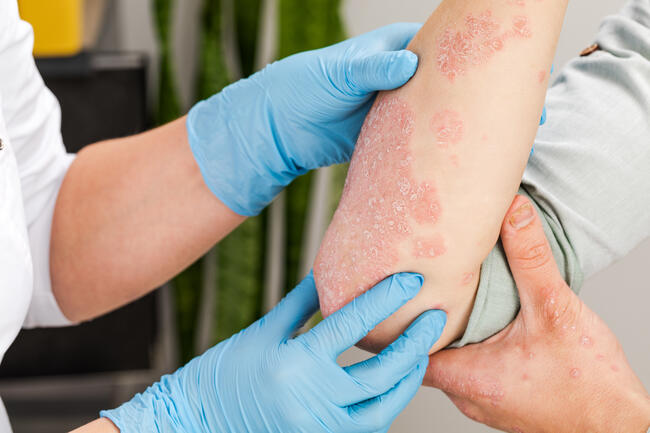
Immune checkpoint inhibitor toxicities: Systemic immune activation can affect skin (rash, pruritus), GI (diarrhea), endocrine, liver, lungs; events may occur during or after therapy. Early recognition and communication enable management and continuation of therapy.
-
Monitoring & collaboration: Dermatologists often act as frontline screeners; maintain high suspicion for systemic symptoms (e.g., weight loss, malaise) and prompt lab evaluation/referral. Early multidisciplinary coordination (dermatology, oncology, radiation) improves outcomes.
-
Advanced BCC (emerging strategies): Shift toward multimodal care—hedgehog inhibitors ± radiation, neoadjuvant immunotherapy, combination checkpoint blockade (PD-1 + CTLA-4/LAG-3), and intratumoral therapies (e.g., oncolytic agents)—supporting earlier systemic use and personalized sequencing.
Reviewed by Riya Gandhi, MA, Associate Editor of Immunology Group
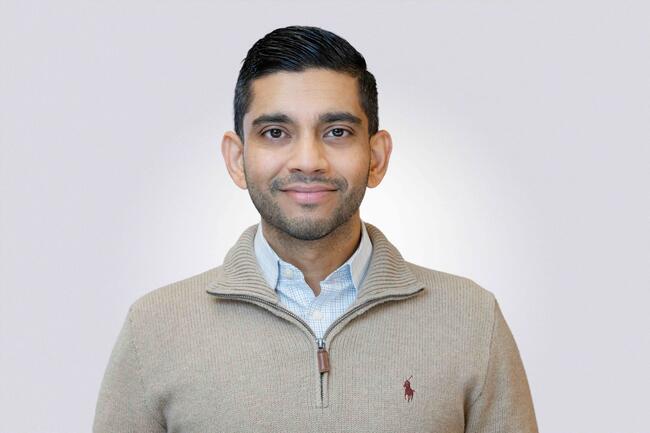
Dr Vishal Patel discusses key immune-related adverse events in patients receiving immunotherapy for basal cell carcinoma, including cutaneous, gastrointestinal, and endocrine toxicities. Learn how dermatologists can recognize early warning signs, coordinate multidisciplinary care, and integrate emerging neoadjuvant and combination strategies to improve outcomes in advanced BCC.
Transcript
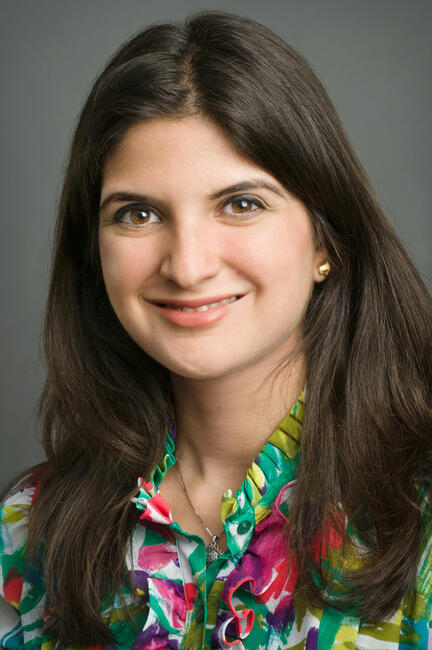
Hi, my name is Vishal Patel. I'm a Mohs surgeon and cutaneous oncologist based in Washington, DC at the Georgia Washington University School of Medicine, where I practice Mohs surgery and serve as the director of dermatologic surgery, as well as the director of cutaneous oncology in the GW Cancer Center.
What immune-related adverse events should dermatologists be prepared to recognize and manage, and what baseline monitoring is essential before starting therapy?
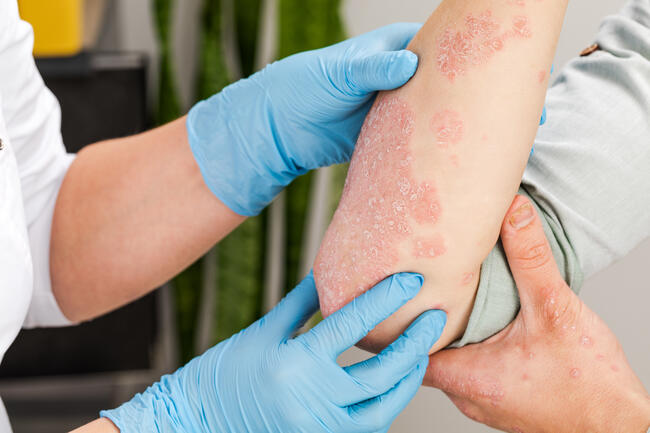
Dr Patel: Immunotherapy impacts all organ systems. It's a systemic immune activation. And so any organ system potentially can be involved, but the most common side effects include the skin. That generally is one of the top two or three side effects across the different indications for immunotherapy. So dermatologists need to be very aware of the potential cutaneous toxicities that may occur both when people are on treatment or even after treatment, as some of those immunotherapy related adverse events can occur after cessation of treatment. There are organ systems, endocrine organs, liver, lungs, gastrointestinal tract, and general fatigue, diarrhea, that can happen as well.
And so what I advise dermatologists is sometimes you play the role, especially with cutaneous malignancies as the PCP, you see the patient for long periods of times you have a relationship with them and you get to know who they are. And they may confide with you about early signs and symptoms, side effects that may be occurring before an oncologist may pick up on that. But dermatologic ones are key. Rash, pruritus, some of the most frequent ones, ones that need to be addressed early on because early intervention has better outcomes, but also it can help keep people on the immunotherapy. Other more serious ones, if patients have, they're getting weight loss to general malaise or making comments about diarrhea, loose stools, these are ones we want to communicate with the other providers because doing a complete lab evaluation, seeing if there is any endocrine or just general laboratory abnormalities can help pick up on these. And early recognition and proper management can reverse and manage many of these successfully and be able to keep patients on for longer periods of time. So while it's really well tolerated, just keeping your eyes and ears open to have a high index of suspicion is key, even if you're not going to be the ones proactively managing them.
When should dermatologists involve medical oncology, radiation oncology, or a multidisciplinary tumor board in these cases
Dr Patel: Cutaneous malignancies, the non-melanoma skin cancers with squamous cell basal cell carcinoma have become poster childs for multidisciplinary care because we've learned over the last 10 years, they don't rely within one specialty's wheelhouse. They touch upon surgical, medical, radiation, oncologic care. A dermatologist can be the gatekeeper or the quarterback, depending on the relationship with the patient, oftentimes first evaluate these lesions or they may be referred the lesion from the community and then need to bring that to the attention of the other specialists. And so multidisciplinary involvement is key. It's also key because some of the other considerations related to the patient, are there other tumors potentially going to be treated? Other basal cell carcinomas, if we're treating squamous cell carcinoma, what has the history been of treatment in the past, as well as what's going to be coming on in the future if somebody starts an immunotherapy, will they still continue to develop low risk tumors that need to be managed.
And then we talked about the toxicity side effect profiles as well with cutaneous reactions being one of the most frequent ones seen in those patients. And so helping be involved in this discussion is key, but oftentimes, like basal cell carcinoma, the dermatologists are very comfortable with managing and utilizing hedgehog pathway inhibitors. So you want to be involved in that discussion, especially if you're going to be providing that care. That early collaboration, that early input, it just leads to more thoughtful treatment strategies, better outcomes for the patients, as well as better education for a dermatologist to be able to have these just initial discussions and maybe help steer and guide patients to where they should go.
Looking ahead, are emerging combination or neoadjuvant strategies likely to shift how we manage advanced BCC?
Dr Patel: What we're seeing with basal cell carcinoma is a little bit out of the page of squamous cell carcinoma, which really followed in the shadow of melanoma, and that is to consider combination approaches, alternative approaches like injectable adjuvants, oncolytic viruses, oncolytic peptides, and also considering earlier treatment, neoadjuvant types of strategies. So we talked a little bit about the neoadjuvant approach with hedgehog pathway inhibitors. I think we're also seeing new trials be started and evaluating the question if there is a neoadjuvant role of immunotherapy with advanced basal cell carcinoma, similar to what we've seen with squamous cell carcinoma, that robust response and favorable outcome profile in those patients treated that way. Another exciting area I mentioned, the group out of Hopkins, Evan Lipson, showed some really interesting combination immunotherapy approaches, both trying monotherapy with PD-1 inhibitors, and then adding other checkpoint inhibitors like a CTLA-4 LAG-3 inhibitors to improve the response in those that are progressors or not responders to monotherapy, and being able to identify which patients may more robustly respond to combination treatment, as well as showing an improved signal of utilizing immunotherapy upfront before hedgehog pathway inhibitor treatment.
And so that's an area that we're going to explore further and maybe again, change the paradigm in how we think about the ordering and sequencing of treatment. With hedgehog pathway inhibitors, we have exciting data that was released a few years ago around the combination with radiation therapy after induction hedgehog pathway inhibitor treatment. That certainly has changed our approach in terms of how long we're giving hedgehog pathways. And if we're adding radiation to consolidate that response and then saving immunotherapy, we're looking to explore that even further. And I think what's probably most exciting and especially promising as related to dermatologists is those intratumoral, those injectable therapies, whether those are oncolytic viruses and data showing the potential use of therapies like TVEC, but also a newer therapy oncolytic peptide that's being evaluated for its role in basal cell carcinoma and the impressive response that we're seeing with just a limited number of injections.
So different types of approaches for immunotherapy, these injectables stimulate the immune response. It's injected directly into the tumor microenvironment. And it's something that is certainly within the wheelhouse of dermatologists. We already inject a variety of both benign and malignant tumors, and this would be something that can really open up the options as well as look at the future for combining that with systemic therapies if injections do show that type of signal is durable. So these strategies overall have continued to evolve. The treatment approach for an advanced BCC will continue to move and move more towards that personalized multimodal approach, considering systemic therapies earlier and earlier, and even utilizing immune-based therapies in a way to get localized control while minimizing morbidity and putting that in the hands of the dermatologist. So very exciting future in front of us for advanced basal cell carcinoma, as well as the low-risk tumors as well.
Are there any tips or insights you would like to share regarding the management of locally advanced basal cell carcinoma?
Dr Patel: One of the key caveats around the treatment approaches is that we think we're a surgical-first disease. I think the last 10 years, both in squamous cell and basal cell carcinoma has shown us that the combination approaches, both systemic and surgical therapy can have very good outcomes, as well as a combination of radiation and systemic therapies like hedgehog pathway inhibitors, but also other treatments that we've utilized combination with topical imiquimide combined with hedgehog pathway inhibitors is something we've utilized combining what we're seeing with injectable and potentially systemic therapies or even combining immunotherapies. And so that combination, the end approach for basal cell carcinoma, we know this tumor is a chronic disease, pesky, and slow to grow, and also sometimes pesky and slow-to-respond colder tumor. So being a little bit more thoughtful in terms of not just one approach, a combination approach, I think is helpful to think about it, especially in the more advanced, more complicated presentations.
And then second, I think because I kind of mentioned that we've thought of systemic therapies more early and earlier, I've certainly started to think about hedgehog pathway inhibitors in those tumors that historically I would've considered as easy slam dunk surgical approaches. So easy for us as Mohs surgeons, dermatologists to consider that for the patients, may still be very overwhelming or challenging to undergo. Maybe something that's on the nose that involves multiple subcosmetic subunits, surgically curable, but if the patient is really able or willing to do that and at what cost. And so some of those smaller tumors that don't necessarily fit into that classic advanced categorization, I begin to think of those again, just more challenging to treat and as a result of me consider systemic therapies and have gotten very good outcomes with utilizing those in a combination of way and then following the patients closely to make sure there's not recurrence because if there is, we can shift then to surgery at that time point.
And so thinking that way, I think leads to a more individualized and holistic approach that satisfies not only patients, but our responsibilities as physicians to lead the patients down the right way and get good outcomes.